What to Look for When Hiring a German Voice Over Artist

The Difference Between Voice Over, Dubbing and Localization
17/04/2026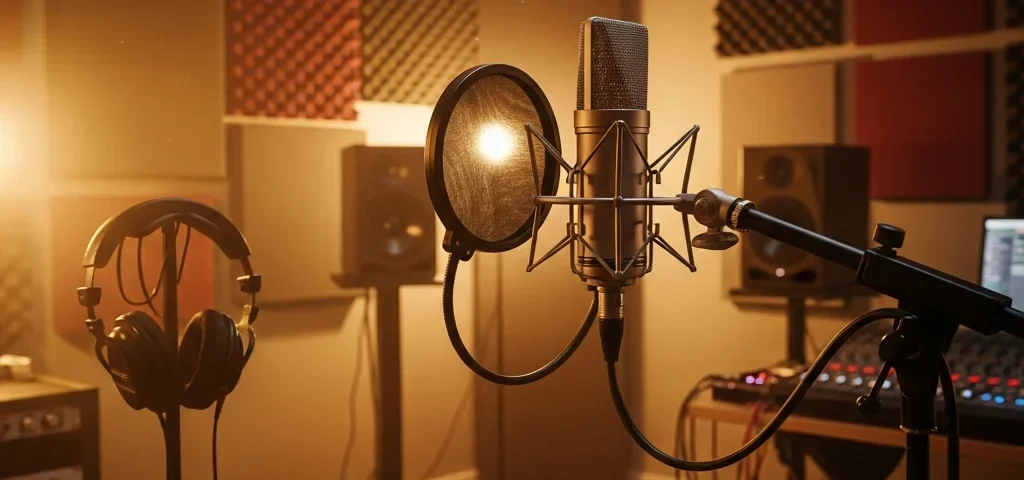
Hiring the right German voice over artist can make or break your project. Whether you are producing a commercial for the DACH market, localizing an e-learning course, or recording IVR prompts for a German-speaking audience, the voice you choose becomes the face â or rather, the sound â of your brand. With thousands of voice talents available online, knowing what separates a good fit from a great one is essential. In this guide, I share practical german voice over artist hiring tips drawn from years of working in the industry. If you want to hear what professional quality sounds like before reading on, listen to my German voice over samples to get a sense of what to expect.
By the end of this article, you will have a clear framework for evaluating voice over artists, avoiding common pitfalls, and making a confident hiring decision. Let us get started.
Native Fluency Is Non-Negotiable
The single most important criterion when hiring a German voice over artist is native-level fluency. German is a language with subtle rhythms, compound words, and grammatical structures that non-native speakers rarely master completely. Even a slight accent or unnatural intonation can undermine your message and erode listener trust.
A native German speaker intuitively knows where to place emphasis, how to handle the musicality of long compound nouns, and when a formal or informal register is appropriate. These are things that cannot be learned from a textbook alone. For deeper insight into why this matters, read my article on why native German voice over matters for your brand.
Hochdeutsch vs Regional Accents
Standard German, known as Hochdeutsch, is the default choice for most commercial and corporate projects. It is universally understood across Germany, Austria, and Switzerland, and it conveys professionalism and clarity. However, there are situations where a regional accent adds authenticity â a Bavarian tourism campaign or a Swiss banking commercial, for instance.
When briefing your voice over artist, be specific about which variant you need. A native speaker from Hamburg sounds different from one raised in Vienna. If your target audience is the entire DACH region, Hochdeutsch is almost always the safest bet. If you need advice on choosing the right variant, get in touch and I am happy to help.
Listen to Demos â But Listen Critically
Every voice over artist has a demo reel, but not all demos are created equal. A polished demo tells you about the artist’s range, but it can also be misleading if it was produced years ago or heavily edited in post-production. Treat demos as a starting point, not the final word.
Listen for consistency across different styles. Does the artist sound natural in both commercial and narrative reads? Is the pacing comfortable, or does it feel rushed? Pay attention to the technical quality as well â background noise, mouth clicks, and uneven levels are red flags even in a demo.
What to Listen For in a Demo Reel
A strong demo reel should showcase versatility while still feeling cohesive. Here are the specific elements you should evaluate when reviewing a German voice over artist’s demo:
- Clarity of diction: Every word should be crisp and easy to understand, even at conversational speed.
- Emotional range: The artist should demonstrate warmth, authority, excitement, and calm across different clips.
- Pacing and breath control: Natural pauses and smooth breath management indicate experience.
- Technical quality: Clean audio with no room echo, hiss, or digital artifacts.
- Variety of content: Commercial, corporate, narration, and character work show a well-rounded talent.
- Authenticity: The reads should sound like genuine communication, not someone reading from a script.
If you would like to hear these qualities in action, browse my voice over samples to compare different styles and tones.
Studio Setup and Technical Quality
The quality of a voice recording depends heavily on the recording environment and equipment. A talented voice artist working in an untreated room with a budget microphone will produce results that sound amateur, regardless of their vocal ability. When hiring a German voice over artist, always ask about their studio setup.
Professional-grade recordings require a soundproofed or acoustically treated space, a broadcast-quality microphone, a reliable audio interface, and professional editing software. In my Berlin recording studio, I use a Neumann U87 microphone and Pro Tools â an industry-standard combination that delivers broadcast-ready audio for clients worldwide.
Home Studio vs Professional Studio
The rise of remote recording has made home studios increasingly common, but quality varies enormously. A well-built home studio with proper acoustic treatment can rival a commercial facility. A spare bedroom with foam tiles on the walls cannot.
Here is a quick comparison to help you evaluate:
| Feature | Professional Home Studio | Basic Home Setup |
|---|---|---|
| Acoustic treatment | Full room treatment, bass traps, diffusers | Foam panels, blankets, or minimal treatment |
| Microphone | Broadcast-quality (e.g., Neumann U87, Sennheiser MKH 416) | Entry-level USB or budget condenser |
| Software | Pro Tools, Audition, or equivalent DAW | Audacity or free alternatives |
| Noise floor | Below -60 dB | Audible room tone or background noise |
| Source Connect / ISDN | Available for live-directed sessions | Typically not available |
Always request a raw, unprocessed audio sample if you have doubts about studio quality. This reveals the true recording environment without the mask of post-production processing.
Turnaround Time and Communication
Voice over projects often run on tight deadlines. A German voice over artist who delivers exceptional audio but takes two weeks to respond to emails is not a reliable partner. When evaluating candidates, pay attention to how quickly and professionally they communicate from the very first inquiry.
A responsive artist will typically reply within 24 hours, ask clarifying questions about your brief, and provide a realistic timeline for delivery. I make it a priority to offer fast turnaround without compromising quality â you can check my availability at any time to plan your project.
Setting Clear Expectations
Before the recording begins, make sure both parties agree on the following points: delivery format (WAV, MP3, or both), number of revisions included, timeline for first delivery and revisions, and the process for providing feedback. Clear communication upfront prevents misunderstandings and delays later. If you are unsure what to include in your brief, my guide on how to write a great voice over script is a helpful starting point.
Usage Rights and Licensing
One of the most overlooked aspects of hiring a voice over artist is licensing. The fee you pay for a recording does not automatically grant you unlimited usage rights. Voice over licensing determines where, how long, and in what media you can use the recording.
Understanding licensing before you sign a contract protects both you and the artist. It also prevents costly surprises when you want to extend a campaign or repurpose content for a new channel.
Common Licensing Models
Voice over licensing can be structured in several ways. The most common models include:
- Buyout: A one-time fee granting unlimited usage in perpetuity. This is the simplest model but typically the most expensive.
- Usage-based licensing: Fees are calculated based on media type (TV, radio, online), geographic reach (local, national, global), and duration of use (one year, two years, etc.).
- Per-project licensing: A flat fee covers a specific project with defined usage terms. Additional uses require renegotiation.
- Royalty-based: The artist receives ongoing payments based on the number of plays or broadcasts. This is less common in commercial voice over.
Always clarify licensing terms before recording begins. If you need guidance on what model fits your project, request a free quote and I will walk you through the options.
Track Record and Client References
Experience matters in voice over work. An artist with a proven track record has navigated the challenges of different project types, client expectations, and technical requirements. Look for evidence of real-world experience beyond just a polished website.
Ask for client references or look for testimonials on their website. A strong portfolio of named clients and recognizable brands is a reliable indicator of professionalism. You can read what my clients say about working with me to get an honest picture of what the collaboration looks like.
Red Flags When Evaluating Artists
Not every voice over artist who appears professional online delivers in practice. Watch out for these warning signs during your evaluation process:
- No named clients or testimonials: A lack of verifiable references may indicate limited professional experience.
- Demos that sound inconsistent: If different clips in a demo reel sound like they were recorded in different rooms, the artist may not have a dedicated studio.
- Vague pricing with no mention of licensing: Artists who avoid discussing usage rights may create complications later.
- Slow or unprofessional communication: If they are hard to reach before the project starts, it will not improve once work begins.
- Reluctance to provide raw audio samples: This may indicate heavy reliance on post-production to mask quality issues.
- No technical setup information: A professional voice artist should be able to tell you exactly what microphone, interface, and software they use.
Trust your instincts. If something feels off during the evaluation phase, it is better to keep looking than to commit to the wrong artist.
A Quick-Reference Hiring Checklist
To make your decision process easier, here is a comprehensive checklist you can use when evaluating any German voice over artist. Print it out or save it for your next project:
- Confirm the artist is a native German speaker with Hochdeutsch capability.
- Listen to their demo reel for clarity, range, and technical quality.
- Request a raw audio sample to evaluate their studio environment.
- Ask about their recording setup â microphone, software, acoustic treatment.
- Verify turnaround times and revision policies.
- Discuss usage rights and licensing before agreeing to a fee.
- Check for client references or published testimonials.
- Confirm availability for live-directed sessions if needed (Source Connect, Zoom, etc.).
- Evaluate their communication style â responsiveness, clarity, professionalism.
- Request a custom audition for your specific script if the project scope justifies it.
Working through this checklist will help you systematically compare candidates and make a well-informed decision. To learn more about my background and see how I measure up against these criteria, feel free to explore my site.
Ready to Find the Right Voice?
Hiring a German voice over artist does not have to be overwhelming. By focusing on native fluency, critically evaluating demos, verifying studio quality, and clarifying licensing terms, you can confidently choose a voice that elevates your project and resonates with your audience.
I work with clients across the globe from my professional studio in Berlin, delivering broadcast-ready German voice overs for commercials, corporate videos, e-learning, IVR systems, and more. Every project receives my full attention, fast turnaround, and the quality that comes from years of experience and professional-grade equipment.
Ready to get started? Request a free quote today, or listen to my samples to hear the difference a professional native German voice makes. I look forward to bringing your project to life.